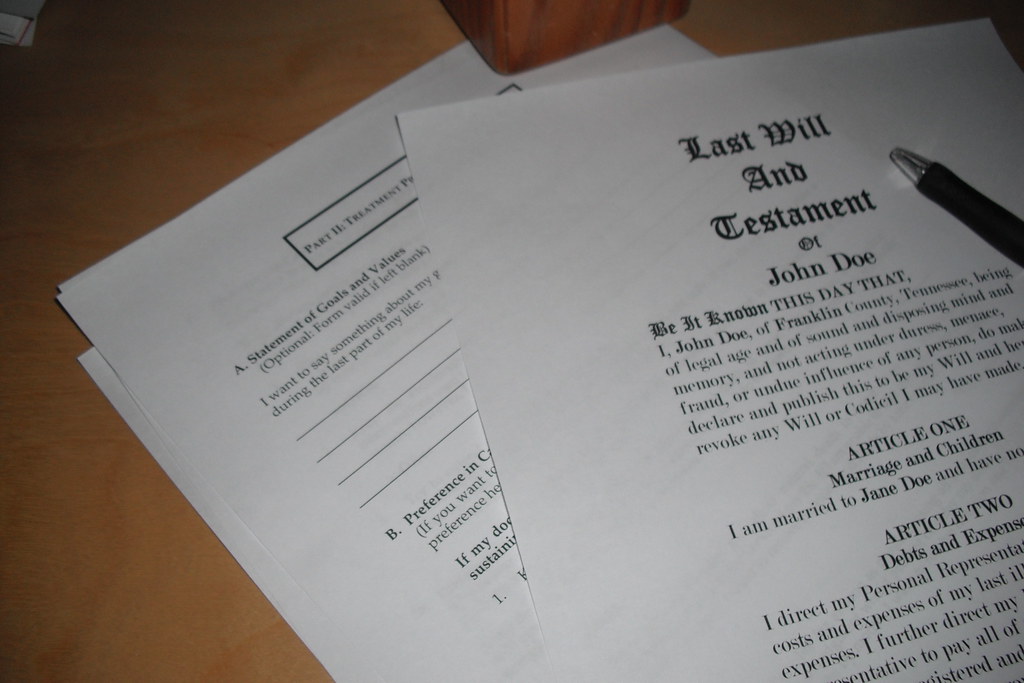
Being named executor of an estate is often described in terms of paperwork, probate court, and financial accounts, but for most executors, the part that takes up the most actual time and emotional energy is far more physical: clearing out the house. Between managing the legal and financial responsibilities of settling an estate, the executor is also frequently the person who has to decide what happens to a lifetime’s worth of belongings. Here’s a practical guide to that specific piece of the job.
Understand Your Legal Standing First
Before anything leaves the house, it’s worth confirming exactly what authority you have and when. Depending on the estate and whether it’s going through probate, you may need formal authorization, such as letters testamentary, before you can legally dispose of, sell, or distribute property. Acting too early, before that authority is formally in place, can create complications later, so if you’re unsure where things stand, it’s worth a quick check with the estate’s attorney before beginning the physical cleanout.
Secure the Property and Important Documents First
Before general sorting begins, it’s worth doing a focused first pass specifically for anything with legal, financial, or safety importance:
- Wills, trusts, deeds, and other legal documents
- Financial records, bank statements, insurance policies, and tax documents
- Keys, safe deposit box information, and any household safes
- Firearms, medications, and anything else requiring careful or specific handling
- Jewelry and other small, high-value items that could otherwise go missing during a longer cleanout process
Getting these items out of general circulation early protects both the estate and you as executor, since you’re often personally responsible for accounting for estate property.
Involve Beneficiaries Before, Not After
One of the more delicate parts of the executor role is managing expectations among family members about who gets what. If the will specifies particular items to particular people, that’s usually straightforward, but personal property is often where disputes quietly emerge, sometimes over things with far more sentimental than financial value. It generally goes better to invite beneficiaries to identify items they’d like to keep early in the process, with clear communication about the timeline, rather than surprising anyone after a cleanout or sale has already happened. Keeping a simple written record of who received what can prevent misunderstandings later.
Decide the Path for Everything Else
Once family members have identified what they want to keep, the remaining contents of the house generally sort into a few paths, sold through an estate sale or auction, donated to charity, or hauled away and disposed of responsibly. As executor, you’re typically responsible for making sure the proceeds from any sale are properly documented and accounted for as part of the estate’s records, so keeping receipts, sale summaries, and donation acknowledgments organized as you go will save considerable time later, particularly during any final accounting to the court or to beneficiaries.
Pace Yourself
It’s easy to feel pressure to clear a house quickly, especially if it needs to be sold or the estate needs to close, but rushing the physical cleanout is where mistakes and family friction tend to happen. Give yourself, and the family, reasonable time to sort through things thoughtfully. A home that’s clearly organized and communicated about tends to go far more smoothly than one cleared out in a single overwhelmed weekend.
You Don’t Have to Manage the Physical Work Alone
Executors are often managing the legal and financial side of an estate on top of their own jobs and families, and the physical cleanout can easily become the most time-consuming part of the entire process. Bringing in help for the sorting, sale, donation, and haul-away portion of the job lets you focus your attention on the legal and financial responsibilities that only you, as executor, can handle.
If you’re serving as executor and would like an experienced hand with the cleanout portion of the estate, Omaha Estate Cleanout is glad to help, and we offer a free in-home or virtual estimate so you can see what that support would look like before committing to anything. Feel free to get in touch here.