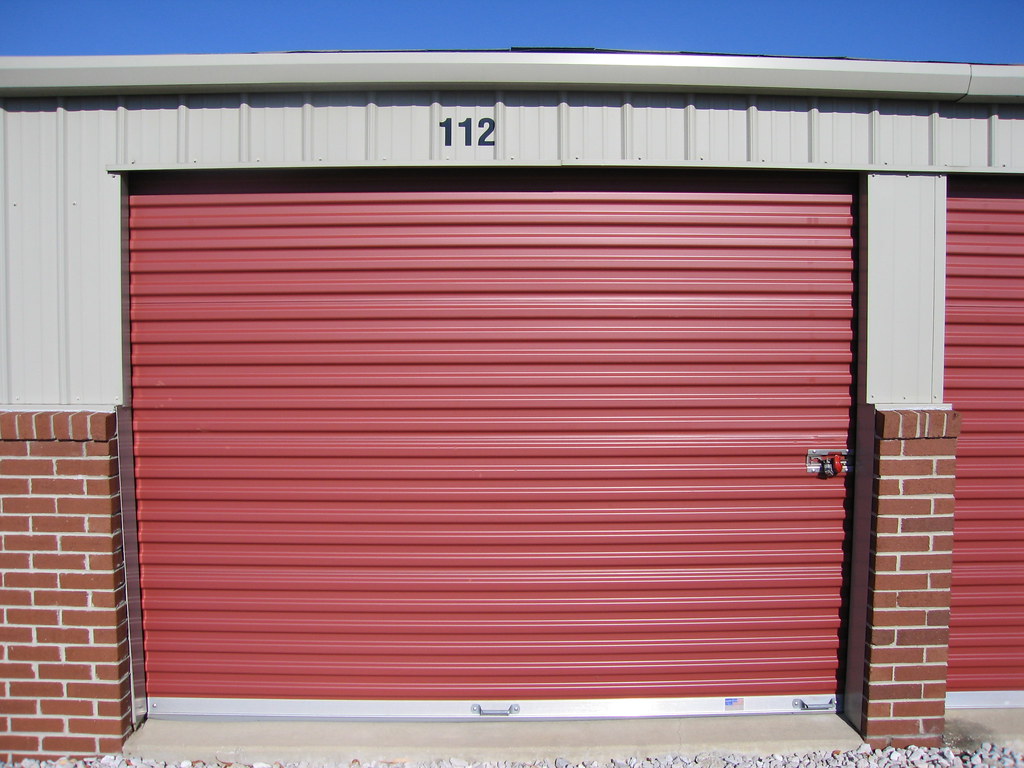
Along with a house, a car, and a lifetime of paperwork, many families discover their loved one also kept a storage unit, sometimes one nobody else knew much about. Facing a locked unit full of unlabeled boxes on top of everything else can feel like one more mountain to climb. It doesn’t have to be. Here’s a practical way to work through it.
First, Handle the Business Side
Before you even open the door, take care of the administrative details. Find out who the storage facility bills, whether the account is current, and how much time you have before late fees or an auction of the contents becomes a risk. Storage facilities generally need a death certificate and some proof of your authority, such as being the named executor, before they’ll let you take over the account, add your name, or close it out. Call the facility directly and ask what they require rather than guessing.
Walk Through Before You Commit to a Plan
Resist the urge to decide what to do with the unit before you’ve actually looked inside. Storage units accumulate for all kinds of reasons: overflow from a downsizing move, a business inventory, seasonal items, or simply things someone couldn’t bear to decide about. A quick initial walkthrough, without trying to sort everything that day, helps you understand roughly what you’re dealing with: furniture, boxes of papers, tools, clothing, or a mix of everything.
Prioritize Anything With Legal or Financial Weight
On that first pass, keep an eye out for anything that needs to be handled with the rest of the estate, rather than treated as ordinary household goods:
- Financial documents, tax records, deeds, or account statements
- Jewelry, coins, or collectibles that may have real resale value
- Firearms, which often have specific legal requirements for transfer
- Photographs, letters, and family records
- Anything locked, like a safe or filing cabinet, which may need special handling to open
Set these items aside in one place as you find them so they don’t get mixed back in with everyday belongings during the rest of the sort.
Decide the Fate of the Unit Itself
Once you have a sense of what’s inside, you’re generally choosing between a few paths:
- Empty it out entirely and close the unit, sorting contents into keep, donate, sell, and discard as you go, which stops the monthly rent immediately.
- Keep paying rent short-term while the estate is settled, if you need more time and the cost is manageable relative to everything else going on.
- Consolidate into a smaller unit if there’s a modest amount worth keeping longer-term, like family heirlooms waiting for a decision from multiple heirs.
Most families find that closing the unit as soon as reasonably possible is the least stressful option, since ongoing storage fees are an easy thing to forget about and let accumulate.
Sorting the Contents Efficiently
Storage units are often packed tightly, which means the sorting process benefits from being done in stages rather than trying to empty everything into a driveway at once. Pull items out in manageable batches, sort them nearby, and load a vehicle or dumpster with the discard pile as you go rather than letting it build back up inside the unit. If the unit holds furniture that’s still in good shape, photograph it before deciding whether it’s worth moving, selling, or donating; the cost of moving large furniture sometimes outweighs its value.
When the Volume Is More Than You Can Manage Alone
A packed 10×20 storage unit can easily represent a full day or more of physical labor on top of everything else an estate requires. It’s completely reasonable to bring in help for the hauling and sorting, especially if you’re managing this from out of town or alongside a full-time job and your own family responsibilities.
If you’re dealing with a storage unit as part of settling an estate in the Omaha area, Omaha Estate Cleanout can take a look, in person or virtually, and put together a free estimate for clearing it out. Reach out anytime at /free-estimate/.